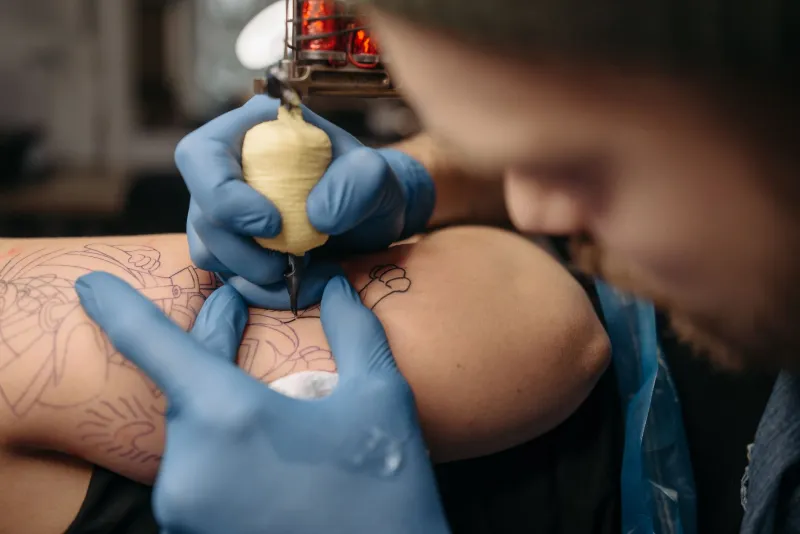
Zap It, Keep It, or Go Bolder: The Tattoo Removal Boom Is Actually Making People Ink More
Here's a sentence that would have sounded insane ten years ago: tattoo removal is good for the tattoo industry.
And yet, here we are.
The laser removal market in the United States has exploded — projected to hit over $1.7 billion by 2028, according to industry analysts. Clinics are popping up in strip malls between Pilates studios and smoothie bars. Chain removal brands like Removery and Disappearing Inc. have turned what used to be a niche medical procedure into something that feels almost as casual as a haircut appointment.
But here's the twist: the rise of removal hasn't dampened enthusiasm for getting tattooed. If anything, it's done the opposite. And understanding why tells you a lot about how Americans actually think about permanence, identity, and the meaning of "no regrets."
The Old Story Was Wrong
For decades, the cultural narrative around tattoo regret was basically a morality tale. You made an impulsive decision at 19, you got your ex's name or a tribal armband or some clip-art butterfly, and then you spent the next thirty years regretting it. The tattoo was proof that you didn't think things through. The regret was the punishment.
That story served a purpose — it kept a lot of people on the fence, and it gave critics of tattoo culture a convenient talking point. Sure, it looks cool now, but what about when you're 40?
Except the data keeps undermining the narrative. A 2016 Harris Poll found that only 17% of tattooed Americans regretted their ink. More recent surveys suggest that number has dropped further, even as tattoo prevalence has climbed. People aren't regretting more as tattoos become more common — they're regretting less.
So what changed?
Intentionality Is the New Impulsivity
The short answer is that tattoo culture itself matured. The generation getting inked today has grown up with an overwhelming amount of information, inspiration, and access to skilled artists. They spend months — sometimes years — researching designs, following artists on Instagram, saving references, and thinking through placement before they ever book a consultation.
This isn't your uncle's drunken spring break decision. This is a considered, researched, sometimes deeply emotional process that results in work that actually means something to the person wearing it.
Chelsea Park, a tattoo collector with over forty pieces and a popular body art account on Instagram, describes her process as almost meditative. "I sit with an idea for at least six months before I pursue it," she says from her apartment in Portland, Oregon. "If I still love it after six months — if it still feels true to who I am — then I know it's right. I've never regretted a single piece using that system."
That kind of intentionality is increasingly the norm, not the exception. And it's producing tattoos that people are genuinely proud of — work that ages well emotionally, even if the ink itself fades a little over time.
So Why Is Removal Booming If Nobody Regrets Anything?
Fair question. If regret is supposedly down, why are removal clinics doing record business?
The answer is more nuanced than the regret narrative allows for. People are removing tattoos for all kinds of reasons that have nothing to do with shame or embarrassment:
Cover-up prep. Many removal clients aren't erasing their tattoos entirely — they're lightening them enough to make room for better work on top. A faded old piece becomes a blank canvas for something more sophisticated.
Career transitions. Visible tattoos on the hands, neck, or face can still create friction in certain professional environments. Removal in these areas is sometimes a pragmatic choice rather than a regretful one.
Relationship changes. Names and couples' tattoos remain the most commonly removed category, for obvious reasons. But even these clients often describe the removal as closure rather than regret — a final chapter, not a mistake.
Evolving aesthetics. Tastes change. Someone who loved a particular style at 22 might want something different at 35. Removal makes that evolution possible without abandoning the practice altogether.
Dr. Lauren Fields, a dermatologist who operates a laser clinic in Dallas, has seen all of these scenarios play out in her treatment rooms. "Maybe ten percent of my clients are removing something they genuinely wish they'd never gotten," she estimates. "The rest have very specific, very practical reasons. A lot of them are getting new tattoos within a year of finishing removal."
The Technology Is Actually Kind of Wild Now
It's also worth acknowledging that the removal technology itself has made a massive leap forward in the past decade, which has removed a lot of the psychological barrier around getting tattooed.
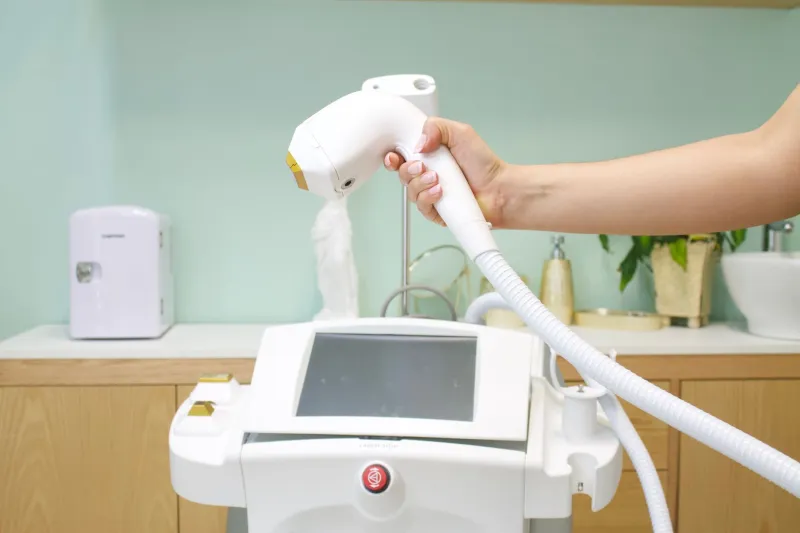
Older laser systems were slow, painful, and often left scarring or pigmentation issues — especially on darker skin tones. The newer generation of picosecond lasers, like the PicoSure and PicoWay systems, fire in trillionths of a second, shattering ink particles more completely and with less surrounding tissue damage. Treatment times are shorter. Results are better. The gap between skin tones in terms of safety and efficacy is narrowing, though it hasn't disappeared entirely.
For the person sitting on the fence about a big piece, knowing that removal is genuinely viable — not just technically possible but actually effective — changes the risk calculus. The decision feels less like signing a contract you can never escape and more like a commitment you're making with full awareness of your options.
And paradoxically, that freedom seems to make people more committed, not less. When the exit door is clearly marked, you feel better about walking through the entrance.
Bolder Choices, Fewer Apologies
The downstream effect of all this? People are going bigger, bolder, and more visible with their ink than any previous generation.
Full-hand tattoos — once considered career suicide by most artists and clients — are increasingly common among people in their twenties and thirties. Neck pieces, throat tattoos, finger work: all of it has moved from extreme to merely notable in the span of about a decade.
Jordan Reyes, a tattoo artist based in Los Angeles with a three-month waitlist, says the conversations in his chair have shifted noticeably. "Five years ago, people would talk themselves out of visible placements. They'd want something they could cover up easily. Now I have clients coming in specifically asking for the most visible spot possible. They've thought it through. They know what they're doing. They're not asking for permission."
That confidence — that sense of full ownership over the decision — is arguably the most significant cultural shift of all. Not the technology. Not the aesthetics. The attitude.
No Regrets, Redefined
The old "no regrets" ethos in tattoo culture was always a little performative. It was bravado. It was the act of pretending you were absolutely certain about every choice you'd ever made.
The new version is something more honest and, frankly, more interesting. It acknowledges that people change, that tastes evolve, that some tattoos will get covered or lasered or simply faded into background texture. And it says: that's fine. That's life. The point was never to be static.
You get the tattoo because it means something now. You keep it, change it, or remove it based on who you become. The body stays yours throughout the entire process.
That's not a lack of commitment. That's a mature relationship with the concept of permanence in a world that's constantly in motion.
Ink deep. Adapt freely. No regrets — for real this time.