Body as Archive: Why Tattooed Americans Are Treating Their Skin Like a Portfolio
Jordan Reyes has 47 tattoos. She knows this not because she counted them in the mirror this morning, but because they're all logged in a Google Sheet — artist name, studio location, date of session, reference photo, price paid, and a short paragraph about the meaning behind each piece. There's even a column for condition rating, updated annually.
"People think I'm extra about it," Jordan says, laughing. "But I've had artists ask me about pieces I got six years ago. I've had insurance adjusters ask about scarring. I've had people offer to buy photographs of my work. You start to realize — this is actually valuable information."
Jordan isn't alone. Across the country, a quietly obsessive movement is taking hold among heavily tattooed Americans: the ink audit. Call it documentation culture, call it collector's logic, call it the natural byproduct of living in an era where everything gets cataloged and monetized. Whatever you call it, people are treating their bodies like living galleries — and they're bringing receipts.
From Casual Collection to Curated Archive
For most people, getting tattooed is a deeply personal act. You walk in with an idea, you walk out with art. The documentation, if it happens at all, is a quick mirror selfie and maybe an Instagram post. But a growing subset of collectors — people who think of their bodies as long-term artistic projects — are taking a fundamentally different approach.
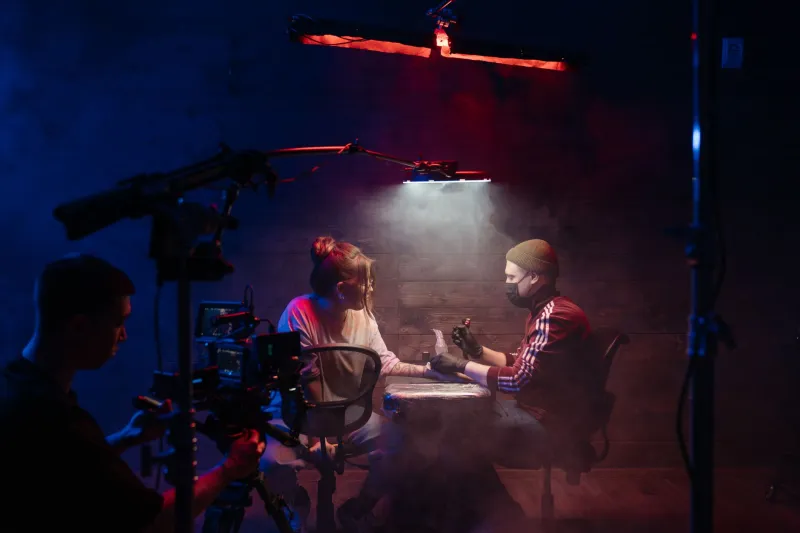
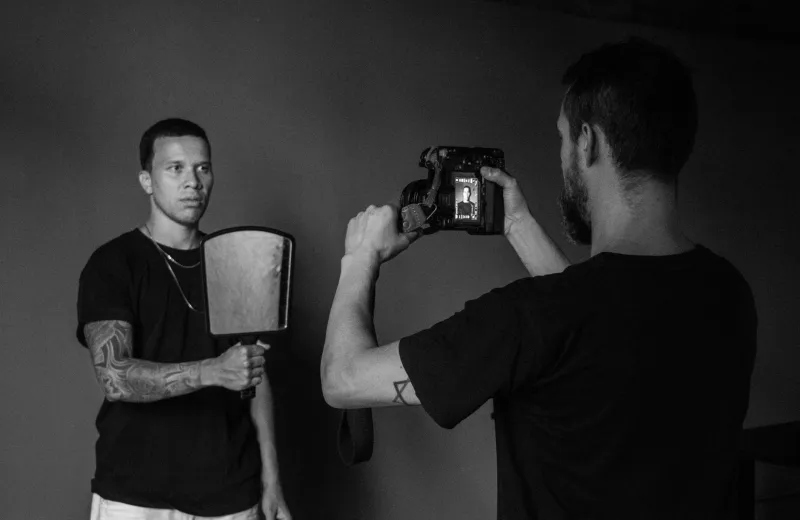
Chris Dillard, a tattoo photographer based in Austin, Texas, has built an entire side business around this shift. He photographs clients' tattoo collections in controlled studio lighting, producing high-resolution archives that can run dozens of images for a single person.
"The demand kind of snuck up on me," Chris says. "I started doing it for artists who wanted portfolio shots. Then clients started asking — can you do this for me? Can you document everything I have? And now that's honestly a significant chunk of what I do."
His clients range from people with a handful of meaningful pieces to full-body collectors with years of work from some of the most sought-after artists in the country. What they share is the belief that proper documentation isn't vanity — it's stewardship.
The Status Angle Nobody's Talking About
Here's where it gets interesting: the ink audit has quietly become a flex. Not in the loud, look-at-me way. More subtle than that.
Showing up to a tattoo consultation with a professionally photographed catalog of your existing work signals something. It says you take this seriously. It says you've done this before, many times, with people whose work matters. Artists notice. Some of the most sought-after tattooers in the country have waiting lists stretching years — and when a prospective client shows up with a curated body of documented work, it changes the dynamic of that conversation entirely.
"When someone comes to me with a real catalog — good photos, context, artist credits — I immediately know they're a different kind of client," says Maya Okafor, a fine-line specialist working out of a private studio in Brooklyn. "They understand the work. They're not just collecting tattoos, they're building something. That matters to me when I'm deciding who I want to work with."
In a world where access to elite tattoo artists is increasingly gatekept — by waitlists, by referrals, by social media presence — arriving prepared and documented is a form of cultural currency.
The Practical Case Nobody Expected
Beyond status, there are genuinely practical reasons this trend is catching on, and some of them are surprisingly mundane.
Tattoo removal has become more sophisticated and more common. Knowing exactly when a piece was done, what ink was used, and who applied it can meaningfully affect how a removal specialist approaches the process. Dermatologists and laser technicians increasingly recommend clients come in with as much documentation as possible.
There's also the matter of legal identification. Law enforcement agencies have long used tattoos to identify individuals, and documented tattoo records have appeared in civil cases, estate disputes, and insurance claims. It sounds morbid, but several estate attorneys who work with heavily tattooed clients have started recommending formal body documentation as part of comprehensive end-of-life planning.
And then there's the art market angle. Tattoo art is increasingly being recognized as a legitimate fine art form — the original sketches, flash sheets, and reference art from prominent tattooers are being bought and sold as collectibles. A documented provenance of tattooed work by a notable artist adds a layer of legitimacy to that conversation, even if the canvas is human skin.
How People Are Actually Doing It
The methods vary as much as the people doing them. Some collectors work with professional photographers like Chris. Others use high-quality smartphone setups with ring lights and neutral backgrounds, building their own archives over years. A few have gone full obsessive — custom-built databases, QR codes linking to artist social profiles, even 3D body mapping software.
The most common approach falls somewhere in the middle: a combination of professional photography for major pieces, careful written documentation of artist and studio information, and organized digital storage with redundant backups. Several tattooed Americans have started using dedicated apps originally designed for art collectors to manage their body art inventories.
Jordan Reyes updates her spreadsheet within 48 hours of every session. "The details fade fast," she says. "You think you'll remember exactly who did that piece in New Orleans in 2019, but you won't. Not perfectly. And that information matters."
The Bigger Picture
What the ink audit really reflects is a maturation of tattoo culture in America. We're past the point where getting tattooed is purely impulsive. For a significant and growing segment of the population, it's a considered, ongoing, long-term artistic commitment — and it's being treated accordingly.
The body, in this framework, isn't just a canvas. It's a collection. And like any serious collection, it deserves to be documented, understood, and protected.
Ink deep, sure. But apparently, spreadsheet deeper.