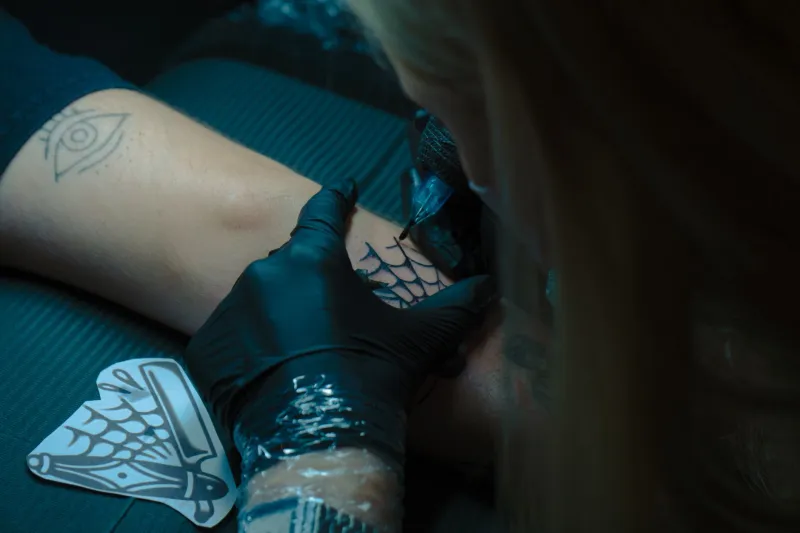
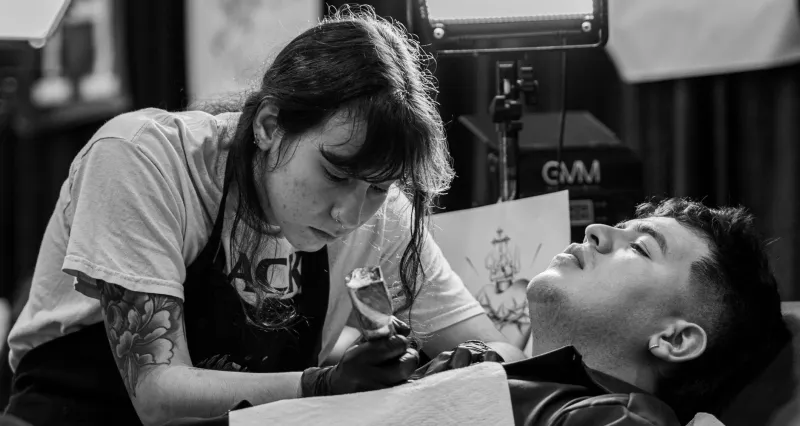
Ink as ID: The Hidden Tattoo Codes That Open Doors to America's Most Secretive Subcultures
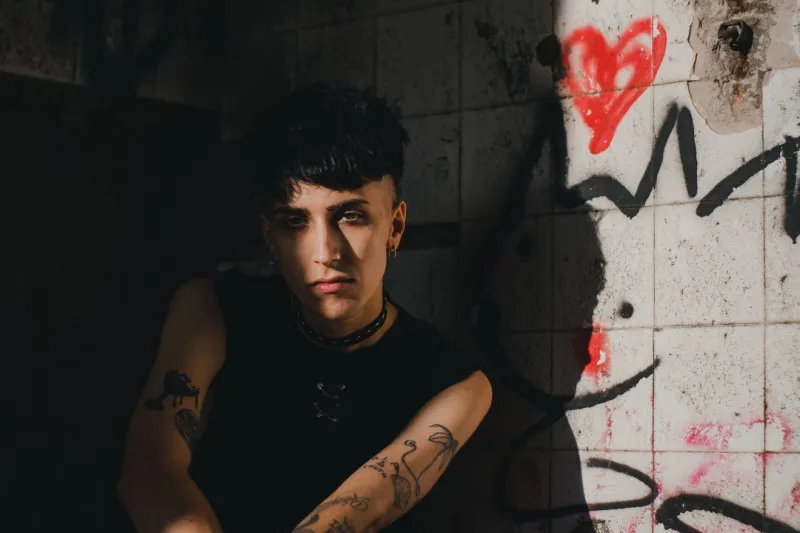
You walk into a basement show in East Nashville. The guy at the door doesn't check your name against a list. He glances at your forearm, gives a slight nod, and waves you in. No words exchanged. No explanation needed. Your tattoo did the talking.
This isn't some Hollywood thriller plot. It's just Tuesday night in the underground.
Across America, a parallel system of recognition has been quietly running beneath the surface of mainstream culture for decades. Tattoos function as a kind of living credential — a visual shorthand that signals who you are, what you believe, and which rooms you belong in. And the people fluent in this language? They're not talking about it much. That's kind of the whole point.
More Than Decoration
Let's be real — most tattoos are personal. A memorial piece for a lost parent, a lyric from a song that saved your life at seventeen, a flash design you grabbed because it looked cool. Nobody's disputing that.
But there's a whole other layer operating underneath the aesthetic surface. Specific symbols, placements, and styles carry weight that outsiders simply won't recognize. A small anarchist circle-A tucked behind the ear means something different than one slapped across a chest. A tiny black cat on the inner wrist might connect you to a network of antifascist organizers. A particular style of geometric linework can mark you as part of an art collective that doesn't exactly advertise its meetings.
The specificity is the point. Vague symbolism is for everyone. Precise symbolism is for the people who need to find each other.
The Music Underground Still Runs on Skin
Ask anyone who's been deep in the DIY punk or hardcore scene for more than a few years, and they'll tell you — there's a visual vocabulary that's been evolving for decades. Crossed bones, specific band logos from obscure regional acts, hand-poked work from known underground artists. These aren't just aesthetic choices. They're résumés.
In cities like Chicago, Richmond, and Portland, the hardcore and crust punk communities have long used tattooing as a form of social currency. Getting work done by a specific artist — one who runs out of their apartment and doesn't advertise online — signals that you didn't just stumble in from Spotify. You've been in the trenches. You know the names. You've paid dues.
The placement matters too. Knuckles, necks, and hands aren't just bold choices in these circles — they're commitments that say I'm not hedging my bets with corporate culture. That kind of visible, un-hideable ink is its own kind of password.
Activist Networks and the Art of Visible Allegiance
The overlap between tattoo culture and political activism in the US has never been more charged than it is right now. From climate justice networks to tenant rights collectives to Indigenous sovereignty movements, organizers have increasingly used body art as a way to quietly identify allies.
It's not universal, and it's definitely not a rigid system — nobody's handing out a decoder ring. But patterns emerge. Certain symbols — fists, roots and branches, specific animals tied to regional Indigenous traditions — show up repeatedly in organizing spaces. People notice. Conversations start. Trust gets built faster.
There's also a protective logic at play. In environments where surveillance is a real concern, coded visual identity has practical value. A tattoo doesn't show up in a text message. It doesn't get screenshotted and shared. It exists in physical space, readable only by people who are physically present and already in the know.
Art Collectives and the Gatekeeping of Aesthetics
The underground art world has its own version of this dynamic, and it's arguably the most aesthetically sophisticated. In cities like Los Angeles, Brooklyn, and Detroit, tight-knit art collectives have developed visual identities that extend from their work onto their bodies.
Some of these groups commission tattoos from a single artist — someone whose style becomes a kind of brand mark for the collective. Walking into the right gallery opening and recognizing that linework on someone's collarbone is an instant connection. You both know the artist. You both know the work. Suddenly you're not strangers.
Other collectives use placement rather than design. A tattoo on the sternum, the back of the hand, or the throat can signal a particular aesthetic tribe without advertising it loudly. The uninitiated just see a tattoo. The initiated see a handshake.
The Risk of Romanticizing It
Here's where it's worth pumping the brakes for a second. Not every subcultural tattoo code is benign, and not every underground community is one worth joining. The same logic that connects activist organizers and underground musicians has historically been used by gangs, white supremacist groups, and prison networks to mark territory and signal allegiance to violent hierarchies.
That context matters. The romantic version of tattoo-as-secret-language only holds up if you're paying attention to what the language is actually saying. A symbol that carries beautiful meaning in one community can carry something completely different — and dangerous — in another context.
The people who navigate these waters most skillfully are the ones who do their homework. They know the history of the imagery they're choosing. They understand that symbols don't exist in a vacuum, and that getting something permanently etched on your body without understanding its full range of meaning is a gamble that doesn't always pay off.
Why This Matters Right Now
In an era of algorithmically curated identities and performative online community, there's something genuinely countercultural about a form of belonging that you can't fake with a follow or a post. You either have the ink or you don't. And if you have it, someone who knows what they're looking at will find you.
That's rare. And increasingly, it feels necessary.
As mainstream culture continues to absorb and commodify every subculture it touches — selling the aesthetic without the substance — the underground keeps finding ways to stay underground. The tattoo passport is one of the most durable tools in that kit. It doesn't need an algorithm. It doesn't require a platform. It just needs skin and someone who knows how to read it.
So the next time someone's eyes linger on your ink a beat longer than expected, pay attention. They might just be admiring the art. Or they might be reading your ID.
Either way, the conversation's already started.