Sleeves to the Bank: How Full-Coverage Ink Became the Ultimate Gig Economy Flex

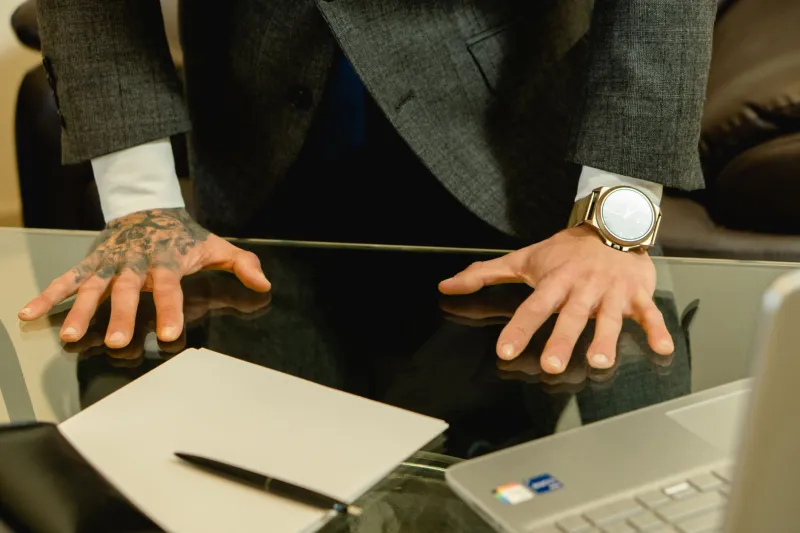
Let's be honest — if you're rocking full sleeves, a chest piece, and ink crawling up your neck, the Monday-through-Friday, collared-shirt-and-badge life probably wasn't calling your name anyway. And for a generation of heavily tattooed Americans, that closed door turned out to be the best thing that ever happened to them.
The gig economy didn't just offer an escape hatch from dress-code culture. For a very specific, very visible segment of the workforce, it handed them a megaphone. Their ink — the same stuff that got them passed over for bank jobs and retail management roles — became the hook that built audiences, attracted clients, and stacked real income.
Welcome to the tattoo sleeve economy. It's louder than your HR department, and it pays better than you'd think.
The Pivot That Changed Everything
For a lot of heavily tattooed people, the shift to gig work wasn't some grand entrepreneurial vision. It started with necessity. You get turned down enough times — or watched enough times as a less-qualified, less-interesting, less-authentic candidate walks through the door in a clean blazer — and you start doing the math differently.
The math, it turns out, works a lot better when you control your own platform.
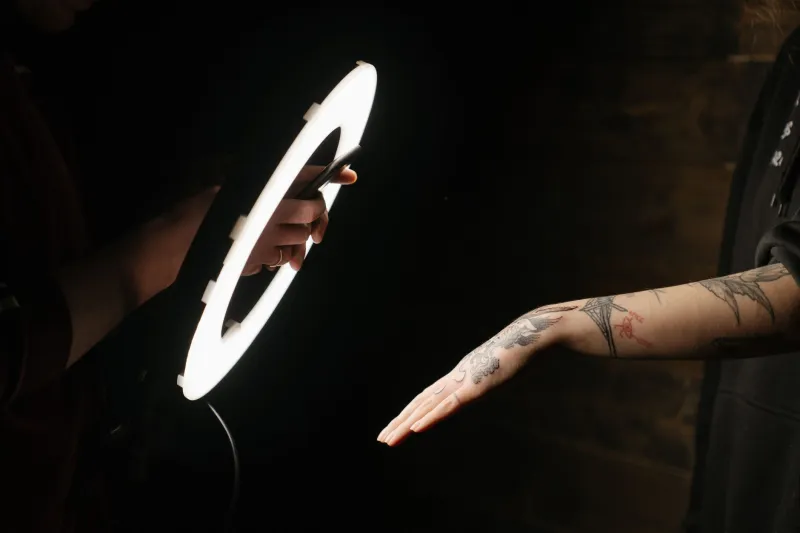
Take content creation. YouTube, TikTok, Instagram Reels — these platforms don't have a dress code. They have an attention economy. And full-coverage tattoos are, by almost any metric, a visual asset in that space. They're conversation starters. They're identity markers. They signal something about who you are before you've said a single word. In a digital landscape where creators are fighting tooth and nail for two seconds of someone's scroll-time, that kind of instant visual identity is worth real money.
Creators who've leaned into their ink as part of their brand — not just as background decoration, but as a central pillar of their identity — consistently report stronger audience retention, higher engagement rates, and more authentic sponsorship opportunities than those who try to downplay it.
Streaming, Sweat, and Skin
Personal training might be the most obvious example of this shift. The fitness industry has always been a little more tattoo-tolerant than, say, corporate finance. But the explosion of online coaching and streaming fitness content took that tolerance and turned it into an outright advantage.
Heavily tattooed trainers on platforms like Twitch and YouTube — or operating through their own subscription-based coaching programs — have found that their aesthetic draws a very specific, very loyal clientele. People who feel like they don't belong in the gleaming, sanitized world of mainstream fitness gravitate toward trainers who look like them, or at least look like they give zero apologies for who they are.
That authenticity translates directly into revenue. Monthly coaching subscriptions, branded merchandise, affiliate deals with supplement companies that actually want to reach a counter-culture audience — it adds up fast when your visual identity does half the marketing work for you.
And streaming more broadly? Same story. Gamers, musicians, lifestyle creators — tattooed streamers have built massive followings on the strength of personality plus aesthetic. The ink becomes part of the set design, part of the brand, part of why people keep coming back.
Freelance Design and the Inked Creative Economy
There's another angle here that doesn't get talked about enough: freelance graphic design, illustration, and digital art.
A lot of heavily tattooed people came up in creative spaces — they drew, they painted, they designed. The same visual sensibility that led them to the tattoo chair in the first place often translates into serious creative skill. And in the freelance design world, your personal brand is your portfolio.
Designers who present themselves as tattooed creatives — who let that identity inform their aesthetic and their client outreach — often attract work from brands, musicians, and small businesses that want that specific energy. Tattoo-adjacent industries, obviously: apparel brands, music labels, event companies, motorcycle culture businesses. But also plenty of clients outside that world who just want work from someone with a distinct, authentic visual voice.
The full sleeve isn't a credential, exactly. But it signals something about creative commitment and personal investment in aesthetics that resonates with certain clients in a way a clean portfolio alone never could.
The Brand-Within-a-Brand Play
Here's where it gets genuinely interesting from a business standpoint. The most successful heavily tattooed gig workers aren't just using their ink as a passive visual element. They're actively building it into their brand architecture.
That means talking about their tattoos — the stories behind specific pieces, the artists who did the work, the meaning embedded in the imagery. It means collaborating with tattoo artists on content. It means being transparent about the process of building a full sleeve over years, which creates an ongoing narrative that audiences can follow and invest in emotionally.
It's a brand-within-a-brand play. You're not just a fitness creator or a designer or a streamer. You're a tattooed fitness creator, a tattooed designer, a tattooed streamer. That modifier narrows your audience — but it deepens the connection with the people who stay. And in the attention economy, depth beats breadth every single time.
Sponsorship deals reflect this. Companies that want to reach tattoo-adjacent audiences — ink brands, aftercare products, alternative apparel labels, even some supplement and lifestyle companies — actively seek out creators whose ink is front and center. The sleeve isn't decoration. It's a targeting mechanism.
The Flip Side Nobody Talks About
It would be dishonest to paint this as a completely frictionless success story. The gig economy has its own pressures, and building a personal brand around your appearance comes with real vulnerabilities.
Algorithm shifts can tank visibility overnight. Platform policy changes can restrict certain types of content. And there's something worth acknowledging about the psychological weight of making your body a permanent part of your professional identity — your ink is always on, always visible, always part of the brand. That's a specific kind of pressure that nine-to-five workers in neutral offices never have to think about.
There's also the simple financial reality that gig income is inconsistent income. The tattooed creator who's pulling serious numbers today knows better than anyone that audiences are fickle and platforms don't owe you anything.
But for most of the people who've made this pivot work? The alternative — spending a career hiding who you are, softening your edges, rolling down your sleeves for people who were never going to fully see you anyway — was never really a viable option.
Ink as Infrastructure
The tattoo sleeve economy is real, and it's growing. It's not a hack or a trend or a lucky accident. It's what happens when people who were systematically excluded from traditional economic structures find a playing field where their authentic selves are the asset.
The gig economy, for all its chaos and instability, handed heavily tattooed Americans something the corporate world never would: a space where full coverage isn't a problem to manage, it's a product to market.
And from where we're sitting at Tatted Tommy, that sounds a lot like what we've been saying all along. Ink deep. Live loud. No regrets — and no dress code required.