Swipe Now, Regret Later? The Real Price of Financing Your Dream Tattoo
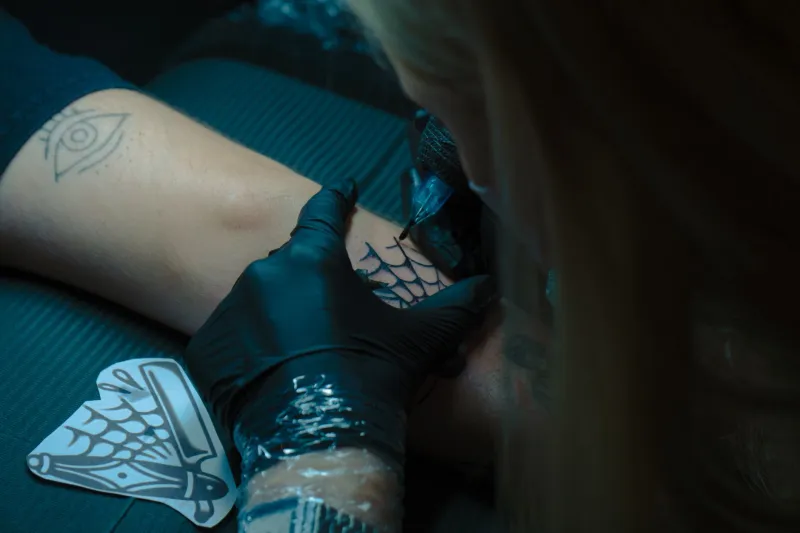
Let's be honest — a full sleeve done right isn't cheap. Depending on the artist, the style, and the hours involved, you're looking at anywhere from $1,500 to $6,000 or more. For a lot of people, that number is the wall between them and the bodywork they've been dreaming about for years. So when a tattoo shop slides a tablet across the counter and says, "Hey, we do payment plans now," it feels like the universe finally cutting you a break.
Except sometimes it isn't.
Tattoo financing has quietly exploded over the last few years, riding the same wave that turned furniture stores and dental offices into de facto lenders. Buy-now-pay-later platforms like Afterpay, Klarna, and a handful of industry-specific services have started showing up in studios from Portland to Miami. Some shops are even building out their own in-house installment programs. On the surface, it looks like a win for everybody — artists get bigger projects, clients get their ink, and the whole thing feels painless. But dig a little deeper, and the picture gets complicated fast.
The New Tattoo Economy Isn't Just About Art Anymore
The shift started making noise around 2020, when pandemic-era financial stress collided with a surge in tattoo popularity. Studios that survived the lockdowns came back hungry, and clients who'd spent months scrolling Instagram came in with ambitious ideas and tighter wallets. Enter the payment plan.
Some arrangements are straightforward — a client pays a deposit, books sessions in chunks, and pays per visit. That's been happening informally in tattoo culture for decades. But what's different now is the involvement of third-party financial platforms that operate more like credit products than casual payment agreements. When you finance through one of these services, you're not just working something out with your artist. You're entering a lending relationship, complete with terms and conditions most people don't read.
Afterpay and similar platforms often advertise zero interest — and for short windows, that's technically true. But miss a payment, carry a balance past the promotional period, or use a service that charges merchant fees passed quietly to consumers, and the math changes quickly. Some BNPL products carry APRs that rival credit cards. Others ding your credit score in ways that show up months later when you're trying to rent an apartment.
Artists Are Figuring This Out in Real Time
Here's something the financing companies don't advertise: a lot of tattoo artists are learning this stuff on the fly. Running a studio is already a juggling act — managing bookings, supplies, health codes, social media, and the actual art itself. Adding financial services to that mix is a whole other level.
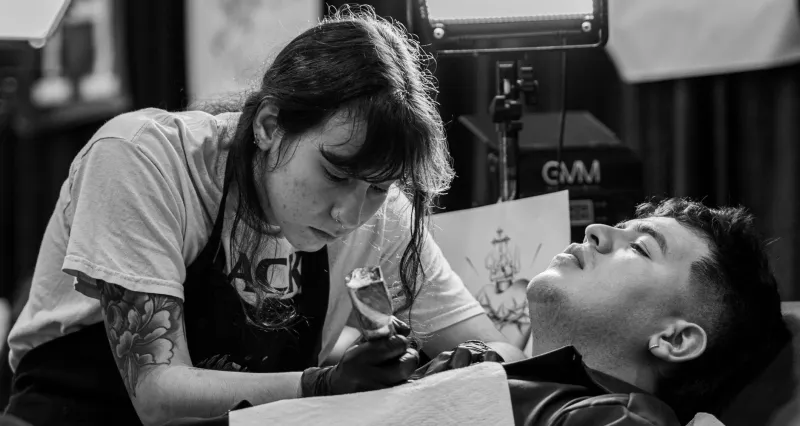
Some artists love it. Offering payment plans has allowed them to take on larger, more ambitious projects without clients tapping out halfway through. A half-finished sleeve is a nightmare for everyone involved, so anything that keeps a project moving is appealing. A few shop owners have even reported that financing options increased their average ticket size by 30 to 40 percent.
But others are more cautious. There are real risks when clients default mid-project — the artist has already done the work, the ink is already in the skin, and collecting on an unpaid balance from someone who ghosts you is nearly impossible without a formal legal agreement. Some artists have been burned. Others have started requiring more substantial deposits specifically because financing made clients feel like they had more flexibility than they actually did.
Who's Actually Signing Up — and Why It Matters
The demographics here aren't subtle. Buy-now-pay-later products skew heavily toward younger consumers — Gen Z and younger millennials who may not have extensive credit histories, may not fully understand compound interest, and who are most likely to be swayed by the idea of getting their tattoo now rather than saving up for six months.
That's not a knock on young people. It's just the reality of how these products are marketed. And tattoo culture, with its deep roots in impulsivity, self-expression, and living in the moment, is a natural target audience. The "no regrets" mentality that makes tattoos meaningful can also make financial caution feel like a buzzkill.
Consumer advocacy groups have started paying attention. The Consumer Financial Protection Bureau has increased scrutiny of BNPL products across industries, and tattoo financing is a small but growing slice of that conversation. The concern isn't that people are getting tattoos — it's that the true cost of financing them is often obscured behind friendly UX design and cheerful marketing copy.
So Is It Ever Worth It?
Here's where we land, and it's not a simple answer.
Financing a tattoo isn't inherently reckless. If you're working with a reputable artist, using a zero-interest installment plan you can realistically pay off within the promotional window, and you've actually read the terms — it can be a legitimate way to access quality work without draining your savings. Plenty of people finance things that matter to them. Guitars, gym equipment, travel. Tattoos aren't uniquely irresponsible in that company.
But the devil is absolutely in the details. Before you sign anything, you need to know the APR if you miss a payment. You need to know whether the service does a hard or soft credit pull. You need to understand what happens if you want to pause the project, change artists, or — worst case — the shop closes. Some of these platforms offer zero consumer protection in those scenarios.
A few practical questions worth asking before you swipe:
- What's the actual APR after the promotional period? If the answer is vague, that's a red flag.
- Does this affect my credit score? Some BNPL services report to credit bureaus, some don't. Know which camp yours falls into.
- What's the refund or dispute policy if something goes wrong? This matters more than people think.
- Is my artist using a licensed, regulated lending partner? In-house payment plans with no formal agreement are especially risky for both parties.
- Can I realistically pay this off without stress? Be honest with yourself here.
The Bigger Picture for Tattoo Culture
There's a genuine argument that financing democratizes access to quality tattoo work. When only people with disposable income can afford top-tier artists, the culture narrows in ways that aren't great for anyone. Payment options can open the door for clients who would otherwise settle for cheaper work that doesn't hold up — or worse, skip getting tattooed altogether.
But democratizing access is only a good thing when the access doesn't come with a financial trap attached. The tattoo industry has always had a complicated relationship with money — artists fighting to be taken seriously as professionals, clients pushing back on rates they see as inflated, shops navigating a cash-heavy economy with minimal formal infrastructure. Layering consumer debt products on top of all that adds a new kind of complexity the culture is still working through.
At the end of the day, your ink should be a statement about who you are — not a monthly line item that stresses you out every time the bill hits. Do the homework before you commit. The sleeve will still be there when you've saved up enough to do it right. And if you do finance it, go in with your eyes open.
Ink deep. Live loud. But maybe read the fine print first.