Own the Room, Own the Interview: How Tattooed Candidates Are Turning Ink Into an Edge

For a long time, the advice was pretty consistent: cover it up, keep it hidden, don't give them a reason to say no. Tattooed job seekers were handed a playbook built entirely around concealment — long sleeves in August, collared shirts buttoned to the throat, foundation caked over wrist pieces. The message was clear. Your ink is a liability. Neutralize it.
That playbook is getting torched.
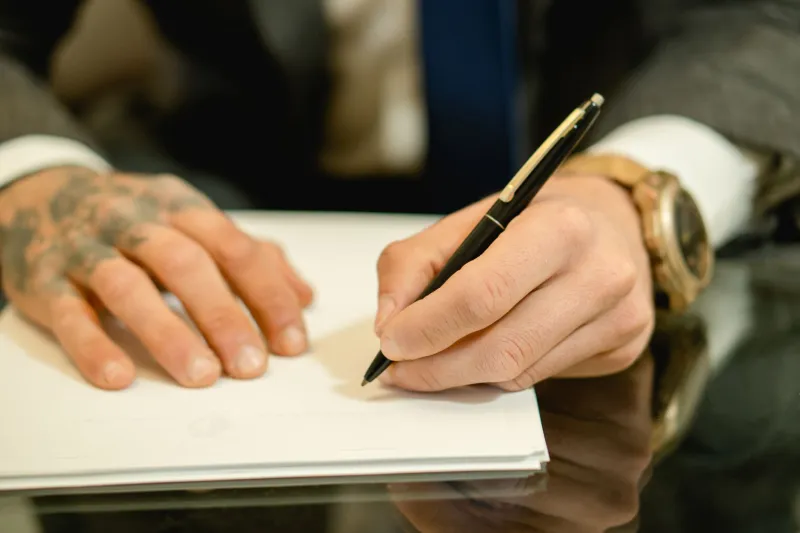
Across industries from tech startups to creative agencies to healthcare, a growing number of tattooed candidates are walking into interviews fully visible and walking out with job offers. Not despite their ink — partly because of it. The strategy isn't reckless. It's deliberate. And it's working in ways that are forcing hiring managers, career coaches, and even HR departments to rethink what "professional" actually looks like in 2024.
The Psychology Behind the First Impression
Here's something the cover-it-up crowd doesn't want to talk about: first impressions are about confidence just as much as they're about appearance. Research out of the University of Miami found that heavily tattooed individuals were perceived as more adventurous and creatively inclined — traits that, depending on the role, can actually tip the scales in a candidate's favor.
More importantly, psychologists who study job interviews consistently find that candidates who project authentic self-assurance are rated more favorably across the board. When you walk into a room visibly uncomfortable — tugging at your sleeve, fidgeting with your collar — that energy reads. Hiring managers pick up on it whether they realize it or not.
Flipping that dynamic means owning your presence from the moment you step through the door. Tattooed candidates who go in with their ink visible and their posture straight aren't just making a fashion statement. They're signaling something recruiters actually want to see: someone who knows who they are and isn't rattled by the room.
Choosing Your Battles Wisely
Let's be real — this isn't a one-size-fits-all approach. Walking into a conservative law firm with a full throat tattoo and expecting zero friction is a different conversation than interviewing at a design studio in Brooklyn or a cannabis brand in Denver. Knowing your audience is step one.
The tattooed candidates who are winning at this aren't throwing caution out entirely. They're doing their research. They're checking company social media, reading Glassdoor reviews, looking at what employees actually look like in the photos on the company's LinkedIn page. If the culture telegraphs openness — diverse teams, casual dress codes, creative branding — visible ink becomes a conversation piece rather than a red flag.
And in industries where tattoos are genuinely commonplace — music, hospitality, fitness, tech, fashion, beauty — hiding your ink can actually work against you. It can make you look like you're trying too hard to fit a mold that doesn't exist in that workplace. Authenticity, in those spaces, is currency.
Reframing the Narrative Before They Can Write It
One of the smartest moves tattooed candidates are making is controlling the story before the interviewer has a chance to form their own. This doesn't mean launching into a monologue about your sleeve the second you sit down. It means threading your identity naturally into your answers.
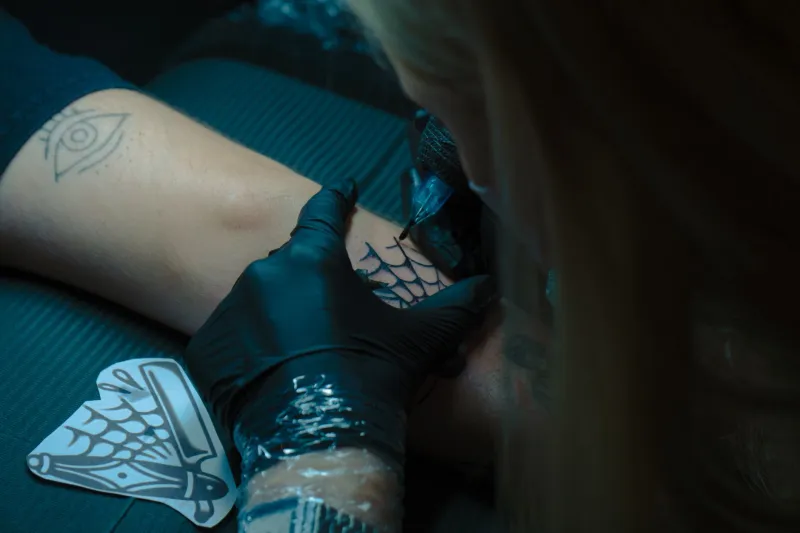
When asked about creativity, problem-solving, or personal values, candidates who reference their relationship with tattoo culture — the patience it takes, the commitment, the research behind meaningful pieces — are subtly recontextualizing what their ink says about them. They're not asking for acceptance. They're demonstrating depth.
Jordan, a 29-year-old UX designer in Austin with visible forearm tattoos, puts it plainly: "I stopped treating my tattoos like something I had to explain and started treating them like part of my portfolio. They show I make intentional choices. That's literally what good design is."
That reframe — from liability to evidence of intentionality — is showing up in interview prep circles more and more. Career coaches who work with creative professionals are increasingly advising tattooed clients to lean into their identity rather than sand it down.
When the Bias Is Real — And How to Use It
None of this is to say discrimination doesn't happen. It absolutely does. Studies have shown that visible tattoos can negatively impact hiring decisions in certain sectors, and that bias is real, frustrating, and in many cases, legally murky. The question is whether you want to spend your career hiding in a company that would've rejected you for your skin.
Some tattooed candidates are making a calculated choice to use the interview process as a filter — intentionally. Showing up as your full self means you find out early whether this is an environment that'll actually let you thrive. Getting passed over because of your ink stings, no question. But it also saves you from spending two years in a culture that was never going to see you clearly anyway.
That's not a consolation prize. That's information.
And in a job market where retention is a genuine crisis for employers, companies that can attract and keep authentic, confident candidates — tattooed or otherwise — are increasingly recognizing the value of loosening up their standards around appearance. Some are putting it in writing, updating dress codes and bias training to explicitly address tattoo discrimination. The landscape is shifting, even if it's shifting slowly.
The Tactical Breakdown
If you're tattooed and heading into an interview in the next few weeks, here's the practical side of this:
Research the culture hard. Don't guess. Look at every public-facing piece of that company's identity and figure out where they actually land on visible body art.
Dress sharp, ink visible. If you're going in without cover, make sure everything else about your presentation is on point. A well-fitted blazer and a visible sleeve reads very differently than a wrinkled button-down and the same sleeve.
Don't volunteer an apology. Never open with "I hope the tattoos aren't a problem." That frames them as a problem before anyone else has. Walk in like it isn't one.
Have a story ready, not a defense. If your tattoos come up, talk about what they mean to you in terms of values, commitment, or creativity. Don't explain them. Illuminate them.
Know when to walk. If you get a gut feeling in the interview that your ink is being held against you in a way that won't change, that's data. Use it.
The Bottom Line
The old playbook told tattooed candidates to shrink. The new one says expand. Not recklessly, not without strategy — but with the kind of grounded confidence that comes from knowing exactly who you are and refusing to pretend otherwise.
Ink has always been about identity. The candidates figuring out how to carry that identity into the hiring process without flinching are finding something out: a lot of companies are ready for them. And the ones that aren't? Those were never the right fit anyway.
Own the room. Own the interview. The ink was never the problem.