Cover-Up or Cover-Disaster? The Brutal Truth About Hiding Bad Ink
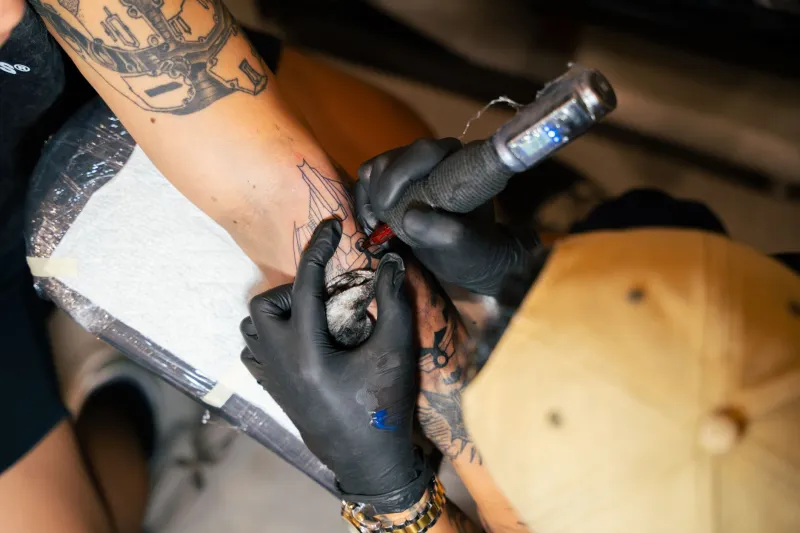
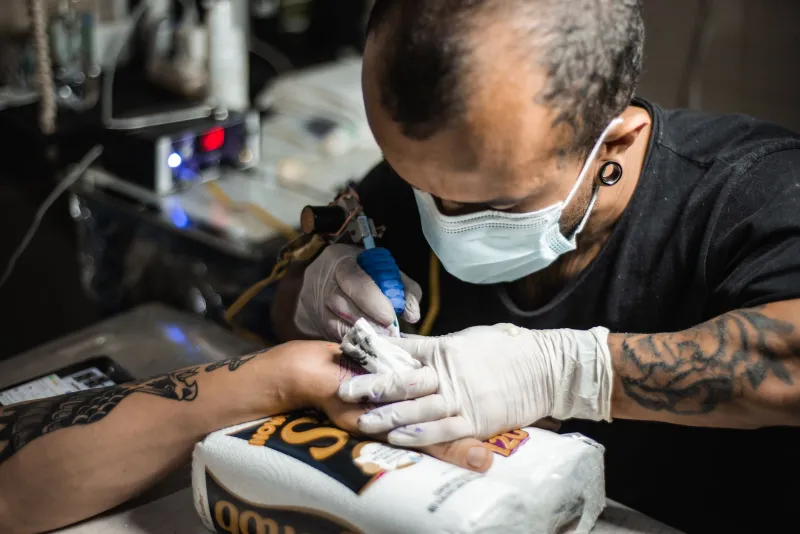
Let's be real — not every tattoo ages like fine wine. Some of them age like milk left in a hot car. Whether it's an ex's name, a tribal band you got on spring break in 2009, or a portrait that looks less like your grandma and more like a melting candle, the impulse to cover that thing up is completely understandable. The problem? A lot of people walk into cover-up appointments without a clue how complicated — and how permanent — the consequences of a bad one can be.
This isn't about shaming anyone for their ink history. That's not the Tatted Tommy way. This is about giving you the raw, unfiltered truth that some artists gloss over when they're eager to book your appointment and cash your deposit.
The Illusion of the Fresh Start
Social media has sold us a beautiful lie. You scroll through TikTok or Instagram and you see these jaw-dropping before-and-afters — a faded, blurry mess transformed into a lush botanical sleeve or a bold geometric masterpiece. What you don't see is the six-month healing process, the touch-ups, or the cases where it all went sideways.
"People come in thinking a cover-up is just... drawing over something," says Marcus Reyes, a tattoo artist based out of Austin, Texas, with over fourteen years in the industry. "It's not. You're working with pigment that already exists in the skin. You can't erase it. You're camouflaging it, and that's a completely different skill set."
And that skill set? Not every artist has it. Cover-up work is genuinely one of the most technically demanding disciplines in tattooing, and it requires a deep understanding of color theory, skin tone, ink saturation, and design composition. A regular solid tattoo is hard enough. Covering an existing one is like trying to paint a mural on a wall that's already covered in graffiti.
When the Cover-Up Becomes the Problem
Here's where it gets ugly. When a cover-up goes wrong, you're not just back to square one — you're in a worse position than when you started. Overworked skin, excessive ink saturation, and poor design choices can result in a muddy, blown-out mess that's significantly harder to fix than the original tattoo ever was.
Jamie, a 31-year-old from Nashville, learned this the hard way. She had a small, faded butterfly on her forearm that she wanted transformed into a floral piece. She went to an artist she found through Instagram — impressive portfolio, tons of followers — but the finished product looked nothing like the design she'd approved. The flowers bled into each other, the shading was uneven, and the original butterfly was still faintly visible beneath the new work.
"I cried in the car," she told us. "I thought I was fixing something I hated, and instead I had something worse. And now every artist I consult with tells me the skin is too saturated to do much with it without laser first."
That word — laser — comes up constantly in these conversations.
The Laser Factor Nobody Wants to Pay For
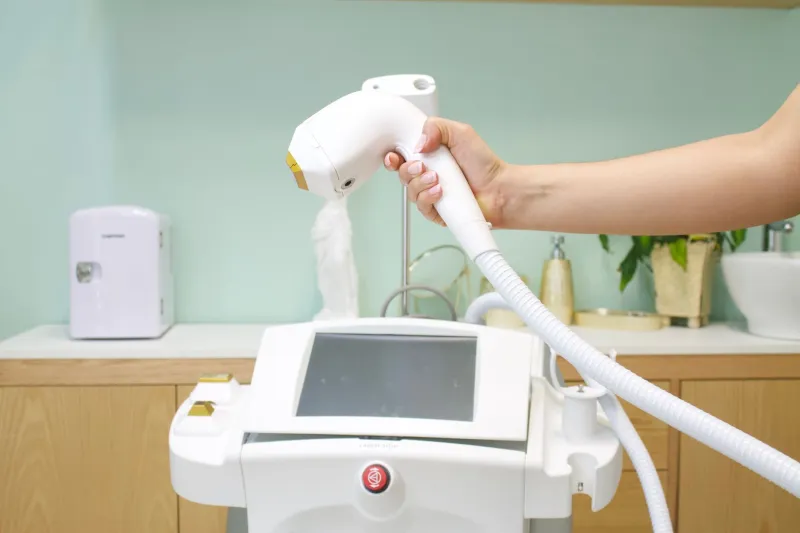
Dermatologists and tattoo removal specialists will tell you something most tattoo artists are reluctant to bring up during a consultation: the best cover-ups usually start with laser removal sessions first. Not full removal — just enough fading to give the covering artist a fighting chance.
"A significantly faded tattoo is so much easier to work over," explains Dr. Priya Nair, a board-certified dermatologist in Chicago who specializes in tattoo removal. "Without that fading, artists are stacking pigment on top of pigment, and the skin can only absorb so much before you start seeing trauma — scarring, raised texture, ink that simply won't settle."
Laser sessions cost money and time. We're talking anywhere from $200 to $500 per session, and you might need four to eight sessions just to get adequate fading. That's a significant investment on top of what you'll pay for the actual cover-up. A lot of clients balk at that reality, and some artists — whether out of eagerness or inexperience — will skip that conversation entirely and just book the appointment.
The Skin Doesn't Lie
There's also the issue of skin condition that goes beyond ink saturation. Old tattoos, particularly ones that were done poorly or healed badly, can leave behind scar tissue. Tattooing over scar tissue is notoriously unpredictable — the ink doesn't absorb the same way, the texture affects the final look, and the healing process can be more intense and uncomfortable.
"I always do a thorough consultation and I'm honest about what's possible," says Keisha Monroe, a tattoo artist in Atlanta known for her cover-up specialization. "Sometimes I have to tell someone, 'I can make this better, but I can't make it perfect, and here's why.' Not every artist has that conversation. Some will just take your money."
Keisha's point about honesty is critical. The best cover-up artists in the game are the ones who will turn down a job if the conditions aren't right — or who will refer you for laser work before they'll touch you with a needle. If an artist seems overly eager to jump straight into a cover-up without thoroughly examining the existing tattoo, asking about its age, the original artist's technique, and your skin's healing history, that's a red flag.
Protecting Yourself Before You Sit Down
So what's the move if you're sitting on a tattoo you hate and a dream of something better? Here's the real talk:
Do your homework on the artist. Don't just look at their best work — specifically look for their cover-up portfolio. Ask to see healed results, not just fresh photos. Fresh tattoos almost always look better than they do after healing.
Get a real consultation. A good artist will examine your existing tattoo in person, not just through a photo. They should talk about design limitations, color constraints, and whether laser fading is recommended.
Budget for the full process. If laser sessions are recommended, factor that into your plan. A rushed, under-prepared cover-up will cost you more in the long run — financially and emotionally.
Understand the design constraints. Cover-ups almost always need to be larger and darker than the original piece. If you're hoping to cover a dark, dense tattoo with something delicate and fine-line, you need someone to level with you about what's actually achievable.
Ask the hard questions. What happens if this doesn't heal the way we expect? What are the realistic touch-up needs? What does the worst-case scenario look like?
The Psychological Weight of Getting It Wrong
Beyond the physical, there's a very real emotional dimension to a botched cover-up that doesn't get talked about enough. People who pursue cover-ups are often already carrying complicated feelings about the original tattoo — shame, regret, grief, or a desire to move on from a chapter of their life. When the cover-up fails, it compounds all of that.
"It's not just about the tattoo," Jamie told us. "It's about feeling like you can't escape something. Like the mistake just keeps multiplying."
That psychological toll is real, and it's a reminder that this isn't just a cosmetic decision — it's a deeply personal one. Which is exactly why you deserve complete honesty from every professional involved in the process.
Cover-ups can be incredible. They can be transformative. But they can also go very, very wrong. Know what you're walking into. Ask the questions. Take your time. Your skin will thank you — and so will your future self.