From the Chair to the Cloud: How Tattoo Artists Are Cashing In on Their Clout
Not too long ago, a tattoo artist's reputation traveled by word of mouth. You got good, you built a local following, and if you were lucky, clients drove a few hours to sit in your chair. That was the ceiling. Today? That ceiling doesn't exist anymore.
A growing wave of artists is blowing up online — racking up millions of followers, signing brand deals, dropping merch lines, and building income streams that would make most corporate marketing teams jealous. The tattoo parlor is still home base, but the real game is happening on the internet.
The Algorithm Is the New Apprenticeship
For decades, breaking into tattooing meant grinding through an apprenticeship, paying dues, and slowly building clientele. That path hasn't disappeared, but it now runs parallel to something entirely new: the content game.
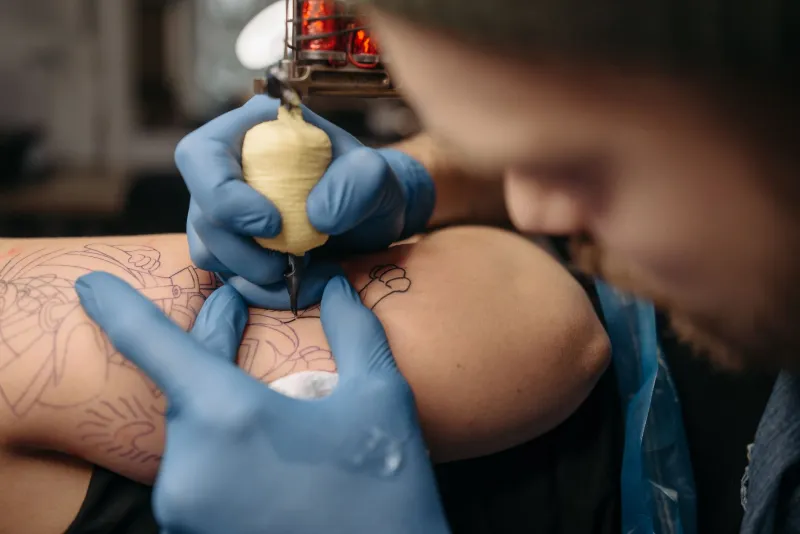
Artists who understand how to feed the algorithm — short-form video content showing the process, the personality, the lifestyle — are building audiences faster than any street-corner shop ever could. TikTok, in particular, has become a launching pad. Time-lapse videos of intricate sleeve work, raw behind-the-scenes moments, and even the occasional controversial opinion piece on tattoo culture can rack up millions of views overnight.
The artists winning this game aren't just talented with a needle. They're storytellers. They understand that people don't just follow artists — they follow characters. Your aesthetic, your attitude, your shop's vibe — all of it becomes content.
Diversified Hustle: Beyond the Booking
Here's where it gets interesting. The smartest artists aren't just using social media to fill their appointment books. They're using their platforms to build entirely separate revenue streams that don't require them to pick up a machine at all.
Custom digital designs have become a serious business. Artists with a strong following can sell flash sheets, downloadable design packs, and custom illustration commissions at scale — reaching buyers who may never set foot in their studio. Platforms like Etsy, Gumroad, and even personal Shopify stores are doing serious numbers for artists who've built an audience first.
Merchandise is another lane. Branded hoodies, hats, prints, and accessories tied to an artist's signature style can generate passive income that runs in the background while they're tattooing. For artists with a distinctive visual identity, merch isn't a side hustle — it's a brand extension.
Then there's brand partnerships. Tattoo ink companies, aftercare brands, apparel labels, and even mainstream lifestyle brands are all waking up to the cultural power of tattoo artists with large followings. A sponsored post from a heavily followed artist isn't just advertising — it's credibility by association. These deals can range from a few hundred bucks for a micro-influencer post to five and six-figure contracts for artists with millions of followers.
And yes, NFTs had their moment in this space too. Several artists launched digital collections that sold out quickly, turning original artwork into blockchain-verified assets. The NFT market has cooled significantly, but it opened a lot of eyes in the tattoo world to the idea that digital art has real monetary value — a mindset shift that's still paying dividends.
What Separates the Viral From the Invisible
So why do some artists explode online while others with equal or greater skill stay stuck with a modest local following? It comes down to a few things.
Consistency beats perfection. Artists who post regularly — even imperfectly — build momentum. The algorithm rewards frequency. Posting a polished video once a month won't move the needle the way daily or near-daily content does.
Niche identity matters. The artists who blow up aren't trying to be everything to everyone. They own a lane — ultra-fine line blackwork, bold American traditional, hyper-realistic portraits, horror-themed flash — and they go deep on it. That specificity builds a loyal, passionate audience rather than a passive one.
Personality is the product. Plenty of technically brilliant artists are invisible online because they let the work do all the talking. That's not enough anymore. Audiences want to connect with a person. The artists gaining millions of followers are letting people in — showing the real, the raw, the funny, the frustrated. Authenticity isn't just a buzzword; it's a business strategy.
Cross-platform presence matters too. Relying on a single platform is risky — algorithms change, accounts get flagged, platforms fade. The artists building durable brands are repurposing content across Instagram, TikTok, YouTube Shorts, and Pinterest simultaneously.
The Business Side Nobody Talks About
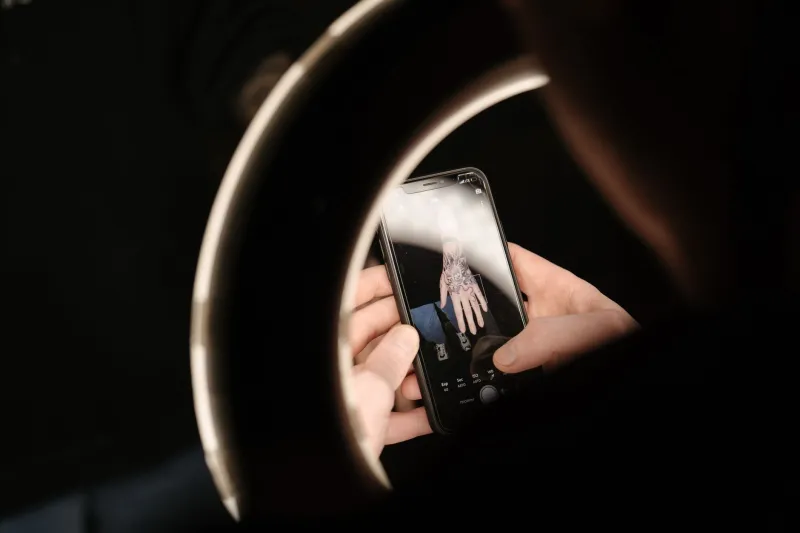
Here's the real talk: building a content-driven brand around your tattooing career takes time, energy, and often money that most artists don't have early in their careers. Lighting equipment, editing software, a decent phone or camera, and the hours spent creating content all have a cost — even if the upfront investment is relatively low compared to other industries.
And there's the burnout factor. Tattooing is already a physically demanding craft. Adding a content creation workload on top of a full booking schedule is genuinely exhausting. The artists who sustain it long-term tend to either hire help — a photographer, a social media manager, a video editor — or they're disciplined about batching their content creation into dedicated time blocks.
There's also the question of authenticity versus sponsorship. Audiences can smell a sellout from a mile away. Artists who over-monetize their platforms, flooding feeds with sponsored content that doesn't align with their brand, tend to see engagement tank fast. The ones who do it right are selective, only partnering with brands that genuinely fit their world.
The Takeaway
The ink-to-income pipeline is real, and it's only getting more established. Tattooing has always been a craft built on reputation — social media just supercharged the speed and scale at which that reputation can travel. The artists who treat their online presence as seriously as their portfolio are the ones building something that outlasts any single booking, any single shop, any single trend.
For the rest of the industry watching from the sidelines? The chair isn't going anywhere. But the cloud is calling.