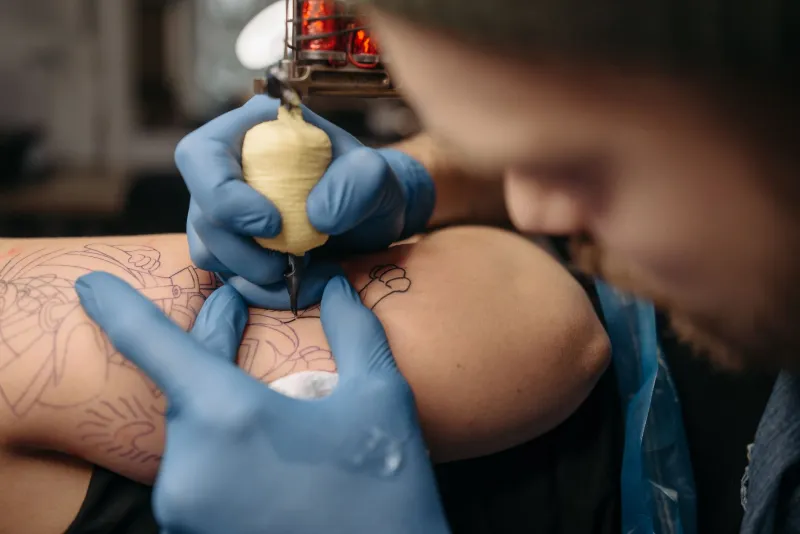
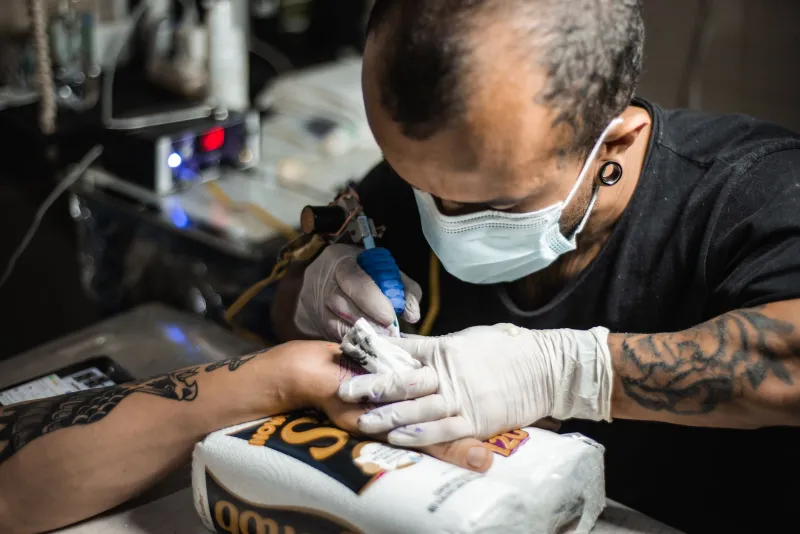
Tatted at 18: Why Gen Z Is Rushing to the Chair Before They Even Graduate
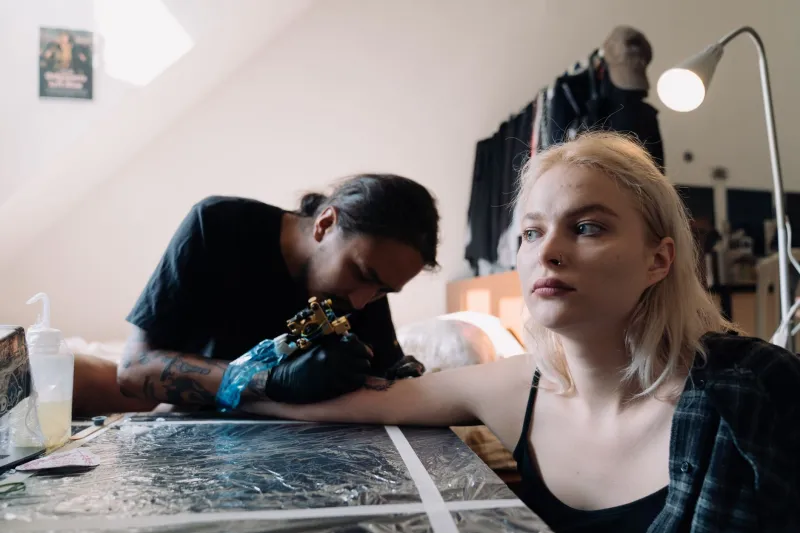
Walk into almost any reputable tattoo shop on a Saturday afternoon and you'll notice something different about the clientele compared to, say, ten years ago. Fewer grizzled bikers. More kids in Carhartt beanies clutching printed reference images they pulled from Pinterest at 2 a.m. Gen Z has arrived — and they brought a whole new energy with them.
These aren't your older sibling's experimental tramp stamps or tribal armbands. We're talking deliberate, researched, often deeply personal body art. And they're getting it done younger, faster, and in higher volume than any generation that came before them.
So what's actually driving this? Is it a genuine cultural awakening, or is this just the latest chapter in a long history of teens doing things that make their parents sweat?
Skin as a First Language
For a lot of Gen Z, self-expression isn't just a hobby — it's practically a survival skill. Growing up in the era of social media metrics, curated feeds, and constant visibility, this generation has developed a fierce need to define themselves on their own terms. Tattoos fit that need in a way that a filter or a playlist just can't.
"My clients who are 18, 19 years old come in knowing exactly what they want," says Marcus Delray, a tattoo artist based in Atlanta with over a decade behind the needle. "They've done the research. They've thought about placement, about how it'll age, about what it means to them. Honestly? They're more prepared than a lot of adults twice their age."
That preparation is no accident. Gen Z grew up watching tattoo content — not just reality TV like Ink Master, but actual artists building full-blown educational platforms on YouTube and TikTok. The algorithm has essentially turned an entire generation into amateur tattoo scholars.
TikTok Did That
It would be impossible to talk about the Gen Z tattoo boom without talking about social media, specifically TikTok. The platform didn't just popularize certain styles — it democratized tattoo culture in a way nothing else has.
Flash sheets go viral overnight. Artists with niche specialties — micro realism, blackwork botanicals, ignorant style line work — build massive followings and waitlists that stretch months out. Young people don't just see tattoos as cool anymore; they see the process, the healing, the consultations, the meaning behind every piece.
"TikTok made tattoos feel accessible," says Jenna Ortega (not that one — a 20-year-old from Phoenix who got her first piece at 18). "I followed like six different artists for a year before I even booked an appointment. By the time I sat down, I felt like I already knew the whole world."
Instagram still matters too, particularly for style discovery and artist portfolios. But TikTok's short-form video format has added a layer of transparency — and frankly, entertainment — that's pulled younger viewers deeper into the culture than static images ever could.
What the Parents Think
Not everyone in the family is celebrating. Talk to enough parents and you'll hear a familiar mix of concern, resignation, and the occasional surprising acceptance.
Diane Kowalski, a 49-year-old mom from suburban Chicago, admits she cried when her 18-year-old daughter came home with a fine-line floral piece on her forearm. "I just kept thinking, what about job interviews? What about her wedding day?" A year later, she's softened. "She loves it. It's part of who she is. I'm not thrilled, but I get it."
That trajectory — from panic to understanding — seems to be pretty common. And it tracks with broader cultural shifts around tattoo acceptance. According to recent Pew Research data, tattooed Americans are more visible in professional spaces than ever before, which is slowly chipping away at the old-school stigma that made previous generations' parents so nervous.
Still, not every young person has a supportive household. For some, the countdown to 18 is less about excitement and more about freedom — the legal ability to make a permanent choice about their own body without needing anyone's signature.
Meaningful or Momentary?
Here's the honest question: are these tattoos going to hold up? Not just physically — though that matters too — but emotionally, personally, meaningfully?
There's a real conversation happening in the tattoo community about whether social media trends are pushing young people toward ink they might not connect with five years down the road. The "small and cute" aesthetic that dominates Gen Z tattoo culture is undeniably appealing in the moment, but some veteran artists worry it's prioritizing aesthetics over intention.
"I ask every young client the same question," says Rosa Valentín, who runs a shop in Brooklyn. "Why this? Why now? Why here? If they can answer all three with something real, I'm in. If they say 'because I saw it on TikTok,' we talk more before we do anything."
That said, plenty of Gen Z tattoos are anything but impulsive. Mental health awareness tattoos, memorial pieces for lost friends or family, symbols tied to identity and community — these are showing up constantly. This generation grew up processing collective trauma publicly: school shootings, a pandemic, a reckoning with racial injustice. Permanent ink, for many, is how they carry that weight in a way they can see and touch.
The Future Looks Tatted
Here's what's clear: Gen Z isn't a blip. They're not a trend. They're the future of this industry, and the artists, shop owners, and brands paying attention are already positioning themselves accordingly.
Appointment-based booking, digital consultations, social-first marketing — the tattoo industry is evolving to meet this generation where they live. And honestly? That's good for everyone. More people taking tattoos seriously means more demand for skilled artists, more innovation in style and technique, and a broader cultural conversation about what it means to wear your story on your skin.
So yeah, Gen Z is getting tatted young. But from where we're sitting at Tatted Tommy, that sounds less like a problem and a whole lot more like the culture doing exactly what it's always done — growing, shifting, and refusing to stay still.
Ink deep. Live loud. No regrets.