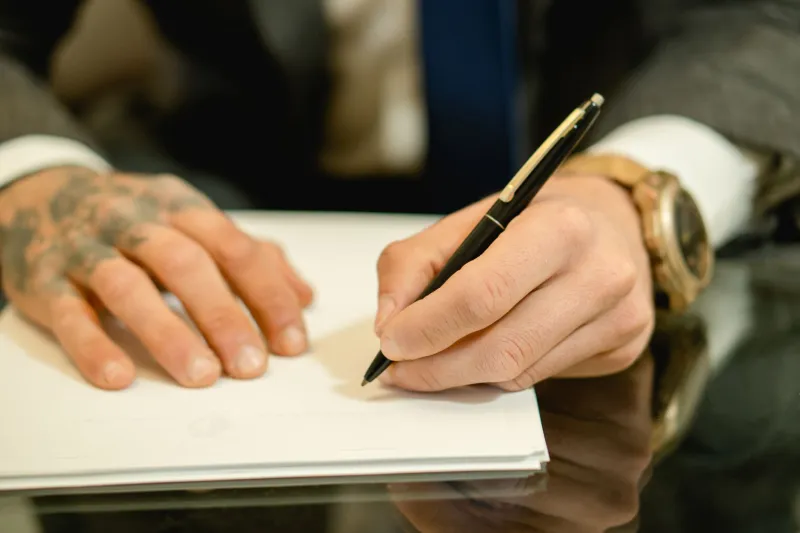
Before You Match, Protect the Patch: Why Couples Are Lawyering Up Over Shared Ink
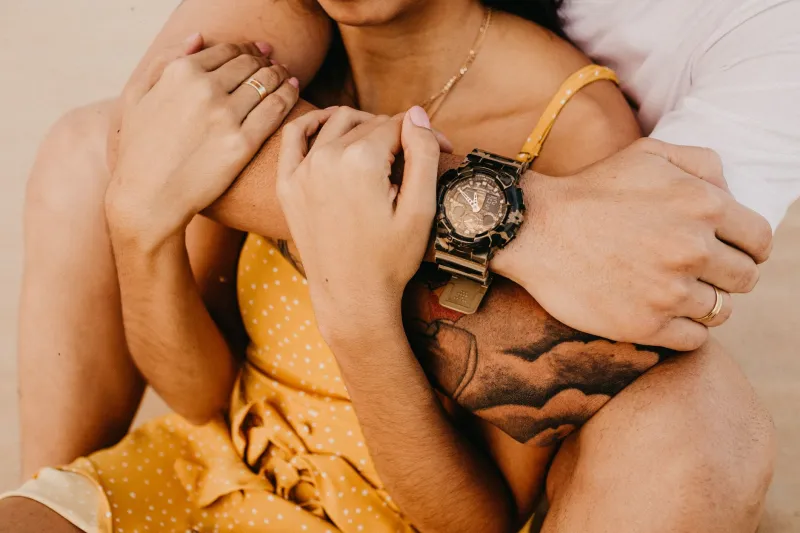
Let's be real — getting a matching tattoo with your partner is basically the modern version of carving your initials into a tree. Romantic, permanent, and occasionally something you'll spend years explaining to strangers. But here's the thing nobody talks about when you're sitting in that chair holding hands and picking out complementary designs: what happens when it all falls apart?
Because sometimes it does. And when it does, the ink stays. So does the drama.
A quietly growing trend is emerging at the intersection of relationship culture and legal protection, and it's got tattoo artists, family law attorneys, and couples themselves rethinking what it means to share skin-deep commitments. Call it the tattoo prenup — a legal document that establishes ownership, artistic rights, and mutual understanding around shared or complementary tattoos before a single needle touches skin.
Sounds extreme? Maybe. But spend five minutes talking to anyone who's been through a messy breakup involving matching ink, and suddenly it sounds like the smartest thing you've ever heard.
The Problem Nobody Sees Coming
Here's where it gets complicated. When two people commission a custom tattoo design — especially one that's split across two bodies, like a puzzle piece set or a two-part portrait — there are actually multiple layers of potential ownership at play. There's the original artwork created by the tattoo artist. There's the physical tattoo on each person's body. And there's the concept — the story, the symbolism, the whole emotional architecture of the piece.
When a relationship ends, all three of those layers can become flash points.
"I've had couples come back to my shop after splitting up, each one claiming they had the 'real' version of the design," says one Brooklyn-based tattoo artist who asked to remain anonymous. "One guy actually wanted me to alter his ex's half of the tattoo — like, he thought he had some kind of say over what was on her body. That's when I knew things had gotten completely out of hand."
It's not just possessiveness. Some disputes get genuinely legal. Who owns the original sketch the artist drew? Can one partner commission a derivative design using the same imagery? If the tattoo artist sold the design rights to one person, does the other have any claim? These aren't hypothetical questions anymore.
Enter the Attorneys
Family law and intellectual property attorneys are starting to see a trickle of cases that touch on exactly these issues — and a handful of forward-thinking lawyers are now advising clients to get ahead of the chaos before it starts.
"Creative property disputes in the context of relationships are more common than people think," says a California-based attorney who specializes in both family law and creative rights. "Tattoos are a unique case because they live on the body, but the underlying artwork can absolutely have legal standing. If a couple co-commissioned a custom design, you've got potential co-ownership of intellectual property sitting on two different people's skin. That's a mess waiting to happen."
The solution, at least for couples who want to be proactive, is documentation. A tattoo prenup — which isn't an official legal term but describes a growing informal practice — typically covers a few key areas: who commissioned the original artwork and holds those rights, whether either partner can modify or reproduce the design independently, and what happens to the tattoo artist's original sketches and files after the work is complete.
Some couples are going further, drafting agreements about the intent behind the tattoo — essentially a written record of what the piece meant at the time it was created. This sounds almost unbearably sentimental until you realize it can actually matter in court if one partner later tries to claim the design was meant to represent something it wasn't.
The Artists Caught in the Middle
Tattoo artists, for their part, have complicated feelings about all of this. On one hand, most of them have witnessed at least one post-breakup disaster involving couples' ink. On the other hand, getting pulled into legal disputes is nobody's idea of a good time.
"I love doing couples' work — it's genuinely meaningful and the energy in the shop is incredible," says a Chicago-based artist with over fifteen years of experience. "But I've started having a conversation upfront with couples who want custom designs. I make it clear that I retain the original artwork, full stop. What happens between them is their business, but my design doesn't become a weapon in someone's divorce proceedings."
Some artists are now including language in their client agreements that explicitly addresses co-commissioned work, clarifying that the tattoo artist holds the intellectual property rights to the original design unless otherwise negotiated. It's a small but meaningful shift that protects everyone involved.
Real Couples, Real Fallout
The stories that fuel this trend aren't hypothetical. Across Reddit threads, tattoo forums, and legal advice communities, you'll find hundreds of accounts from people navigating the weird emotional and sometimes legal aftermath of couples' tattoos gone wrong.
One woman from Austin described a two-year dispute with her ex over a large custom back piece they'd designed together with a local artist. Her ex insisted the concept had been his idea and attempted — unsuccessfully — to have the artist recreate a similar version for him. "It turned into this whole thing about who owned the story behind the tattoo," she said. "I never thought I'd need a lawyer over something on my own skin, but here we are."
Another couple from Seattle who got complementary sleeve work done before their engagement said they actually drafted a simple written agreement with their artist after a friend's breakup horror story. "It felt weird at first, like we were planning for failure," one of them admitted. "But honestly? It made us have a really deep conversation about what the tattoos meant to each of us individually. We came out of it feeling more connected, not less."
Love Hard, Plan Smart
None of this is meant to be a buzzkill on couples' ink culture. Matching tattoos, complementary designs, coordinated sleeves — this stuff is beautiful, and it represents something real. The tattoo community has always been about wearing your truth on your skin, and that includes love.
But the same culture that celebrates going all in on a piece of art also knows better than most that permanent decisions deserve serious thought. You wouldn't get a tattoo without researching the artist. You wouldn't commit to a design without knowing what it means to you. So why walk into a shared piece of permanent body art without a single conversation about what happens if things change?
The tattoo prenup isn't about expecting failure. It's about respecting the art enough — and each other enough — to be intentional. Ink deep, live loud, no regrets. That last part? It takes a little planning.
So before you match, maybe take a beat. Talk to your artist. Talk to each other. And if the design is complex enough, maybe talk to a lawyer too. Your future self — whatever that looks like — will probably thank you.